LLANRHIDIAN PRIMARY SCHOOL
Inspiring our learners to be the best they can be!
Leek Week Mathemateg
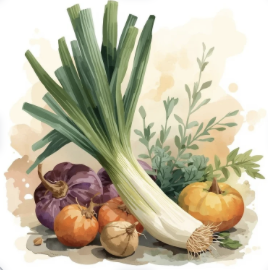
“Today we’re becoming Leek farmers!
Farmers across Wales need to know how heavy their crops are, how much space they need, and how to measure everything accurately.
If they mis-measure, their leeks might not grow — or their harvest might be too heavy for the boxes they use!”

 LO to calculate measurements using standard units, e.g. within the same unit, such as 250kg – 175kg.
 LO to convert between common units of measurement using decimal notation, for example, 550cm = 5·5m; 3·009kg = 3009g, 1500ml = 15l)
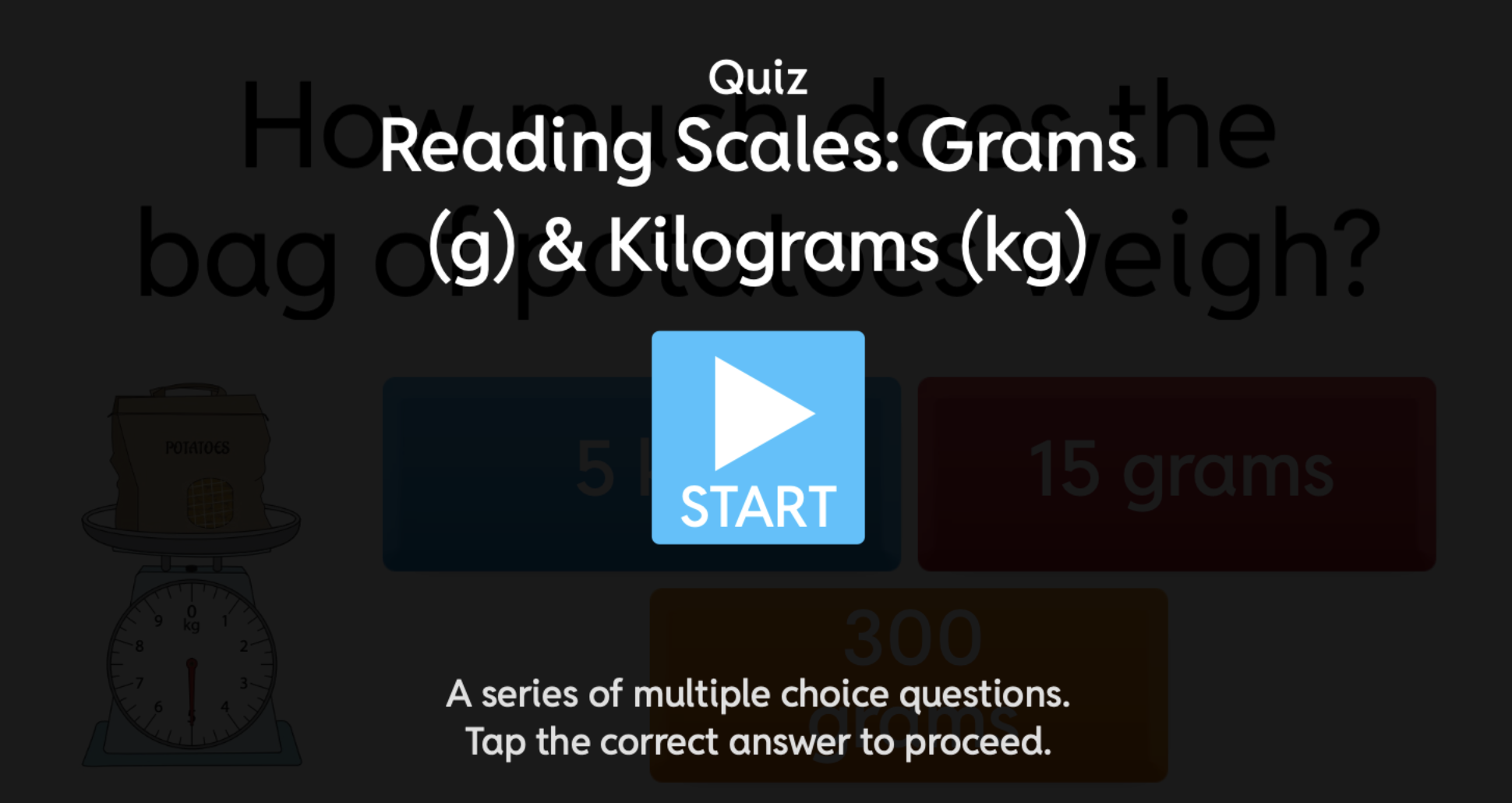
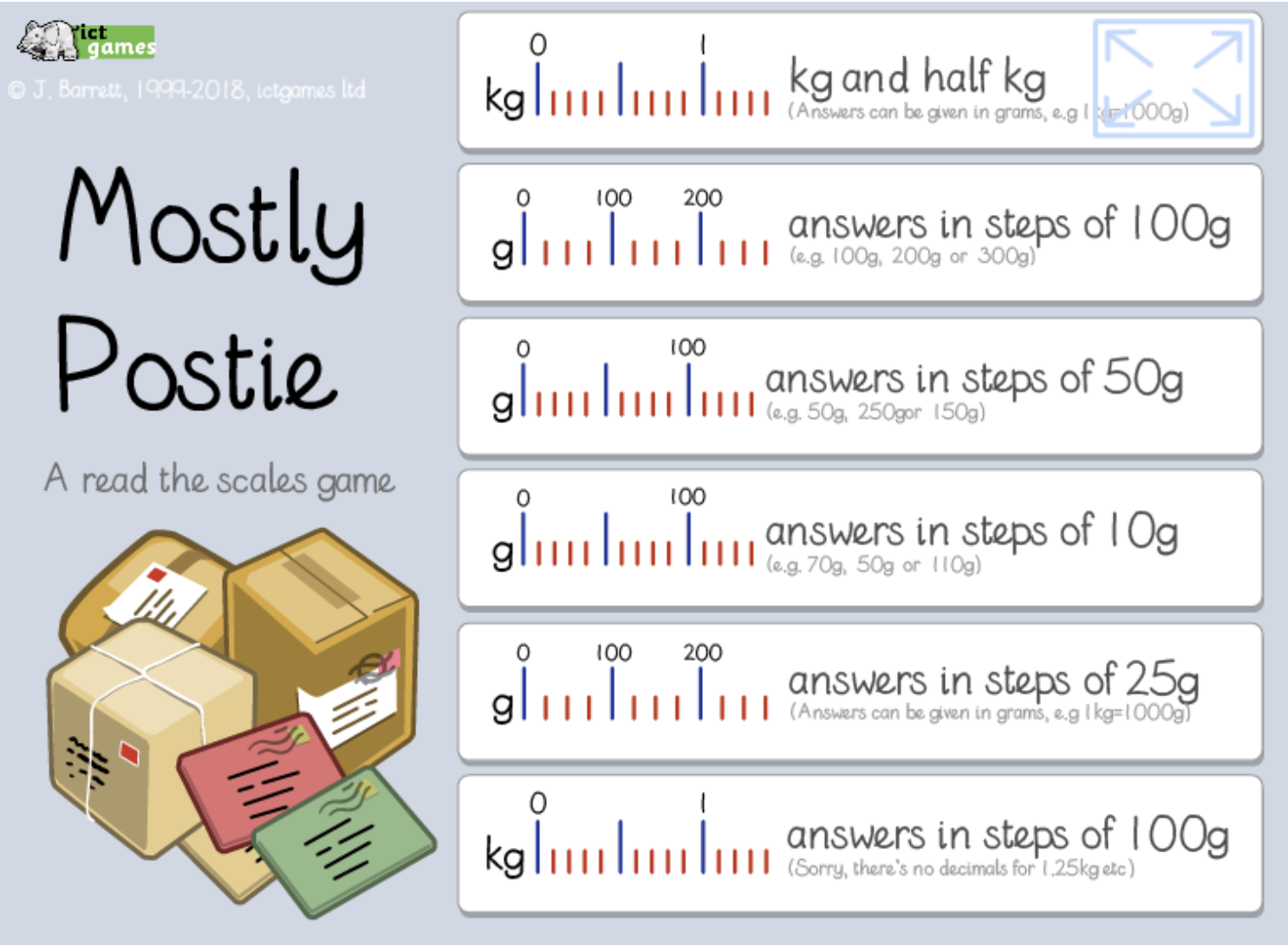
We will use our prior knowledge of perimeter and area to help us solve our problems, but first, we need to remind ourselves of weighing in grams or kilograms.
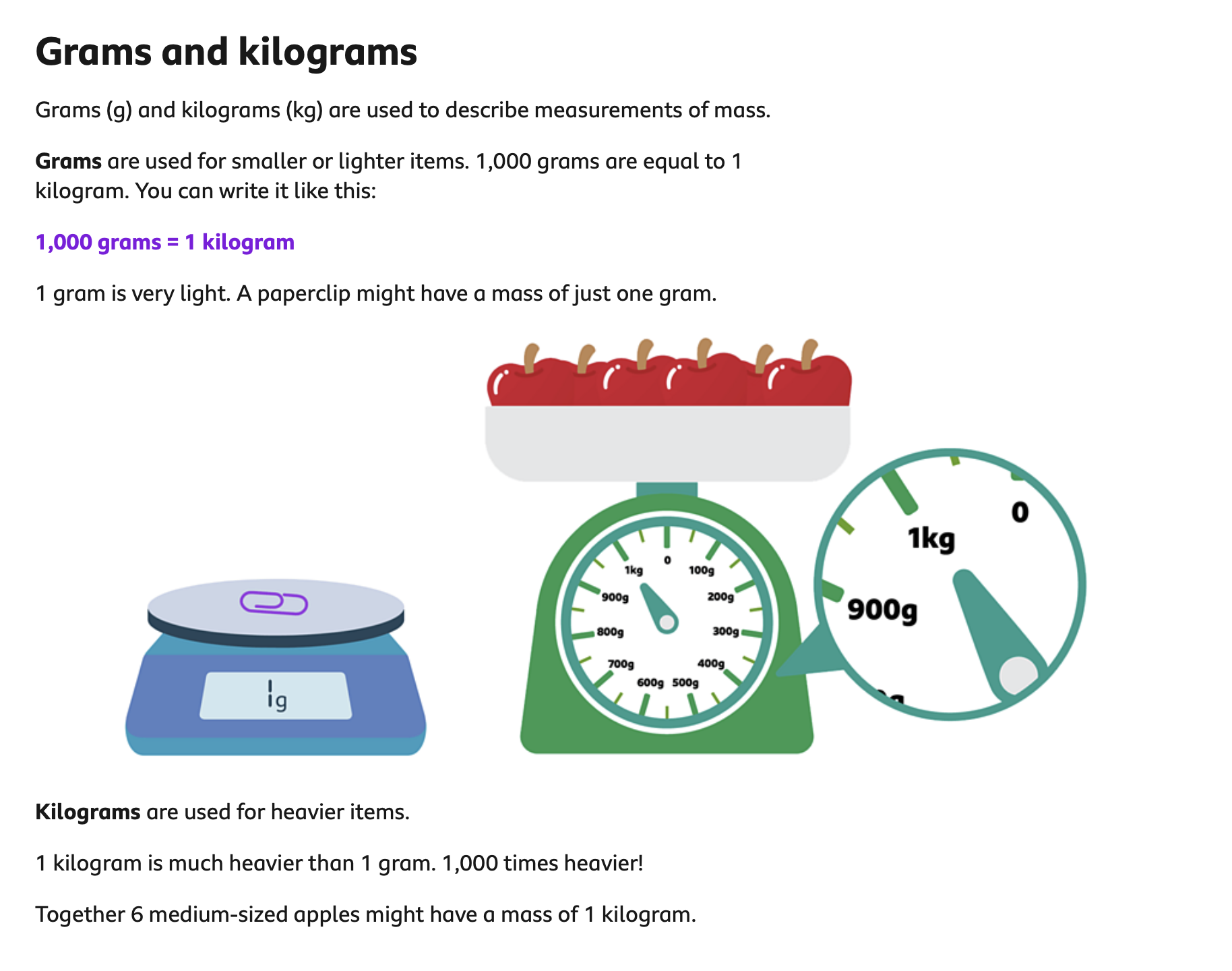
Let's explore the scales by clicking below
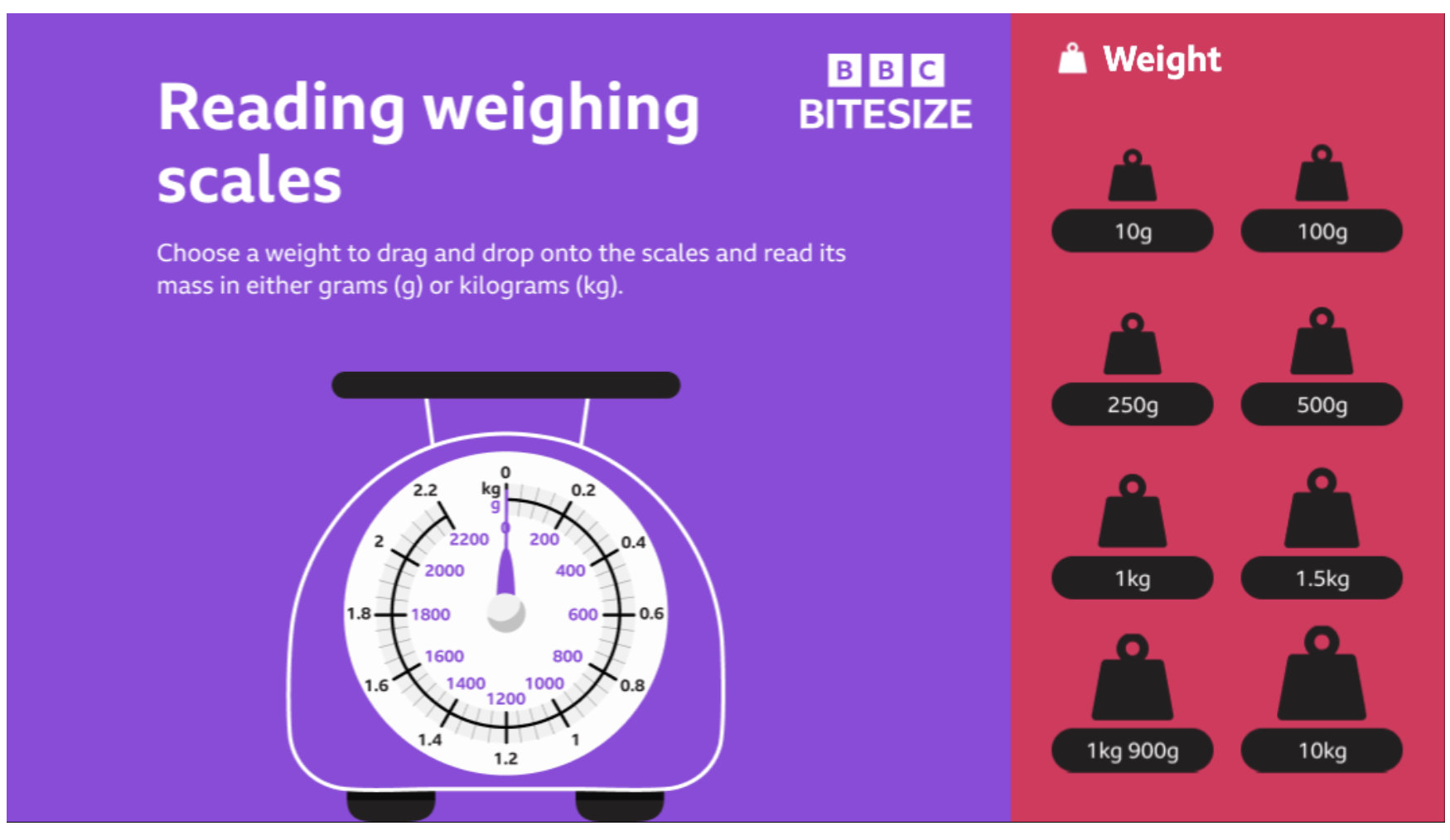

Can we write the answer in a different way? Discuss with your partner.
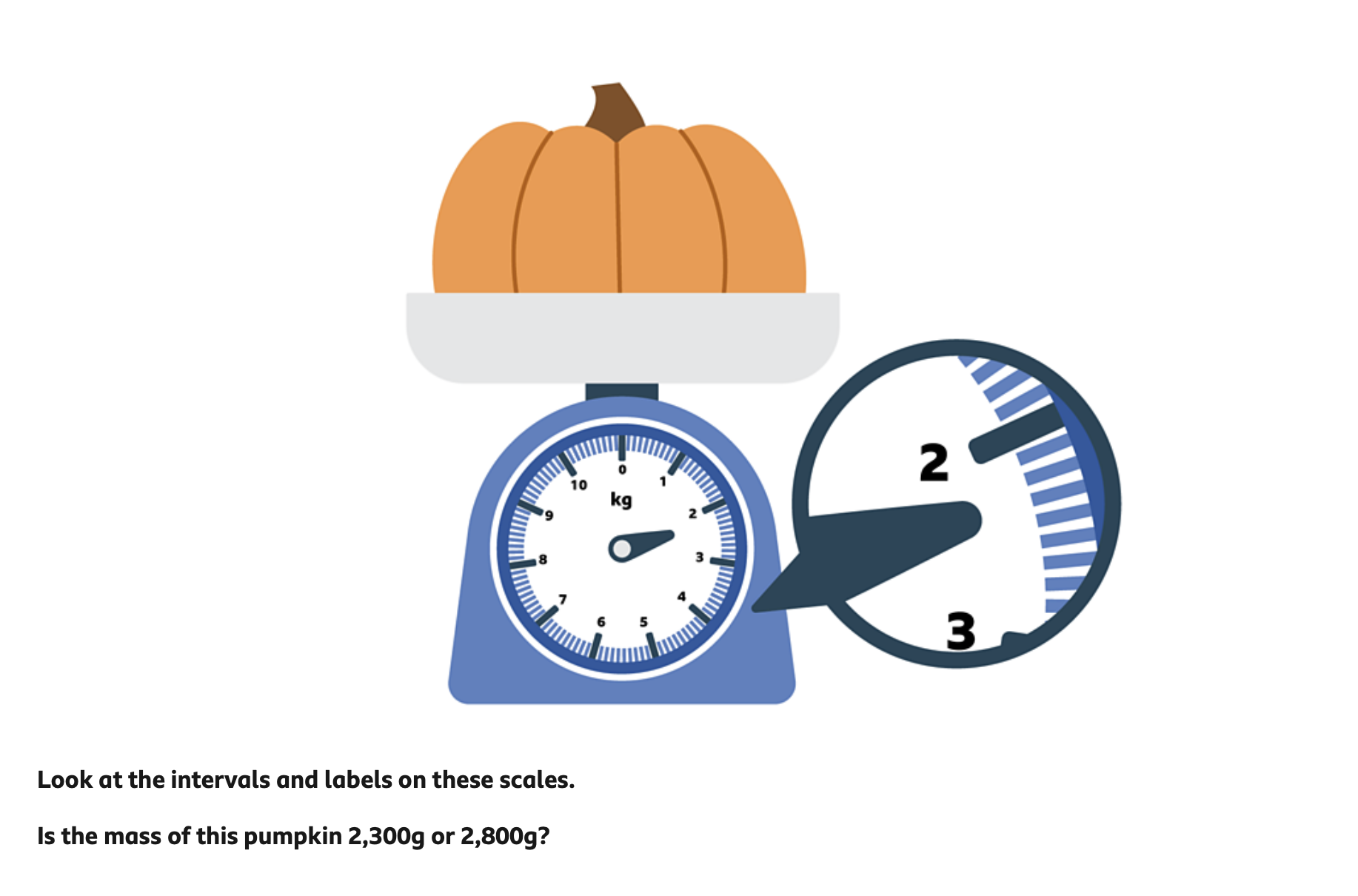
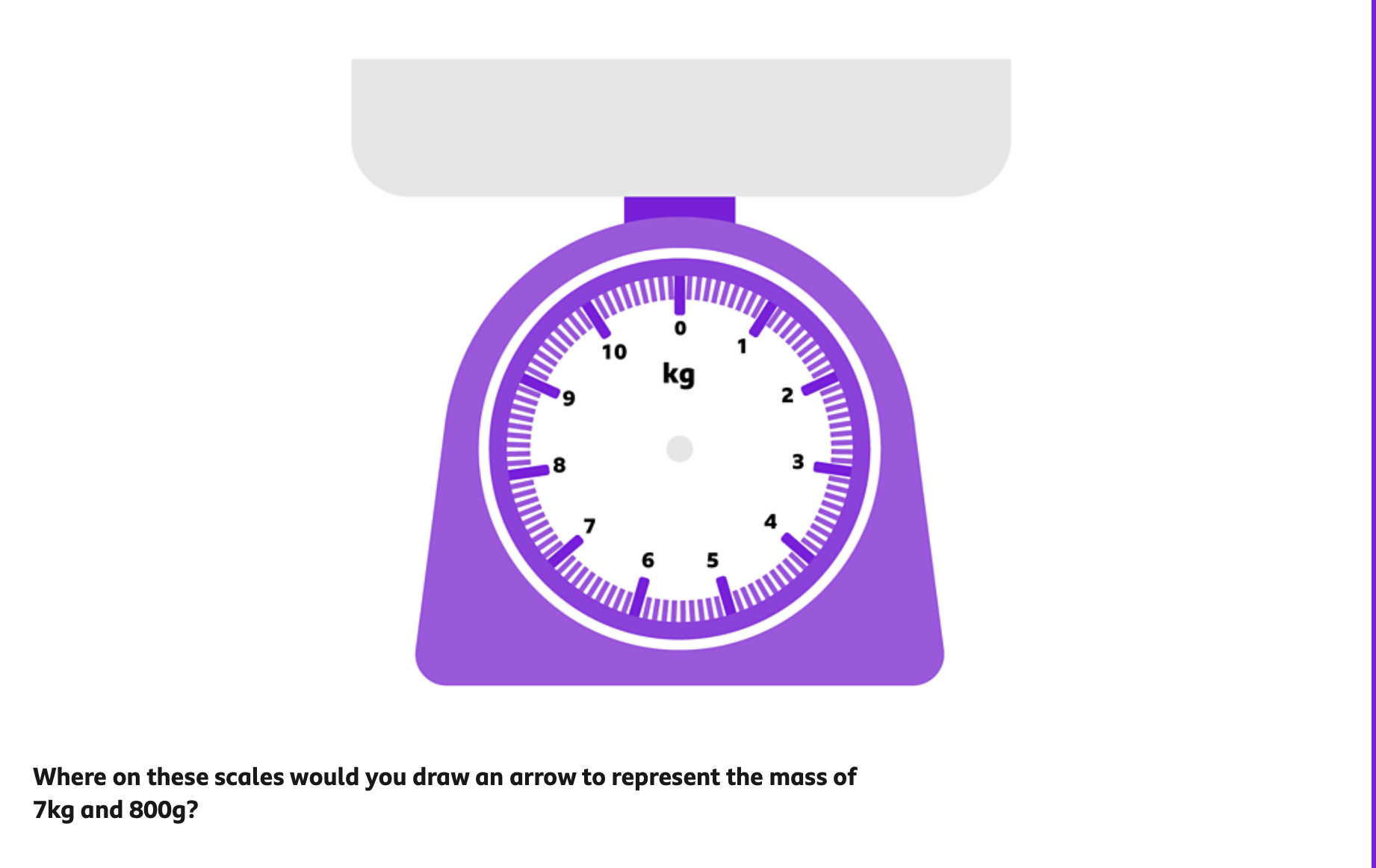
Now, let's try to solve some problems together.
A small Welsh farmer brings three leeks to market.
Their weights are:
-
Leek A: 250 g
-
Leek B: 300 g
-
Leek C: 450 g
Questions:
-
How much do all three leeks weigh altogether?
-
Which leek is the heaviest?
-
How much heavier is the heaviest leek compared to the lightest?
-
The farmer wants to label the bag in both kilograms and grams.
What is the total weight in kilograms?
A gardener is getting ready to plant some leeks.
She has a small rectangular raised bed that measures:
-
Length: 5 metres
-
Width: 3 metres
Questions:
-
What is the perimeter of the raised bed?
(Remember: perimeter is the distance all the way around the outside.) -
What is the area of the raised bed?
(Area is the amount of space inside — measured in square metres.) -
If each leek needs 1 m² of space, how many leeks can she plant?
A gardener has a small rectangular leek bed.
-
Length: 4 metres
-
Width: 2 metres
-
Each leek needs 1 square metre of space.
Questions:
-
What is the perimeter of the leek bed?
-
What is the area of the leek bed?
-
How many leeks can be planted in the bed?
-
If each leek weighs 200 g, what is the total weight of all the leeks?
Now try your own problems. Remember!
Read the question carefully
Take your time.
Look for the important numbers:
-
length
-
width
-
area
-
weight
-
number of leeks
Underlining or circling key facts can really help.
Break the problem into small steps
Ask yourself:
-
Do I need perimeter?
-
Do I need area?
-
Do I need to multiply?
-
Am I adding weights?
Solve one step at a time instead of everything at once.
Remember: mistakes are part of learning!
If you get stuck, try:
-
reading it again
-
drawing a picture
-
using a simpler version
-
checking the units
Every mistake helps you understand the problem better.