School Blog Friday 1st May 2026
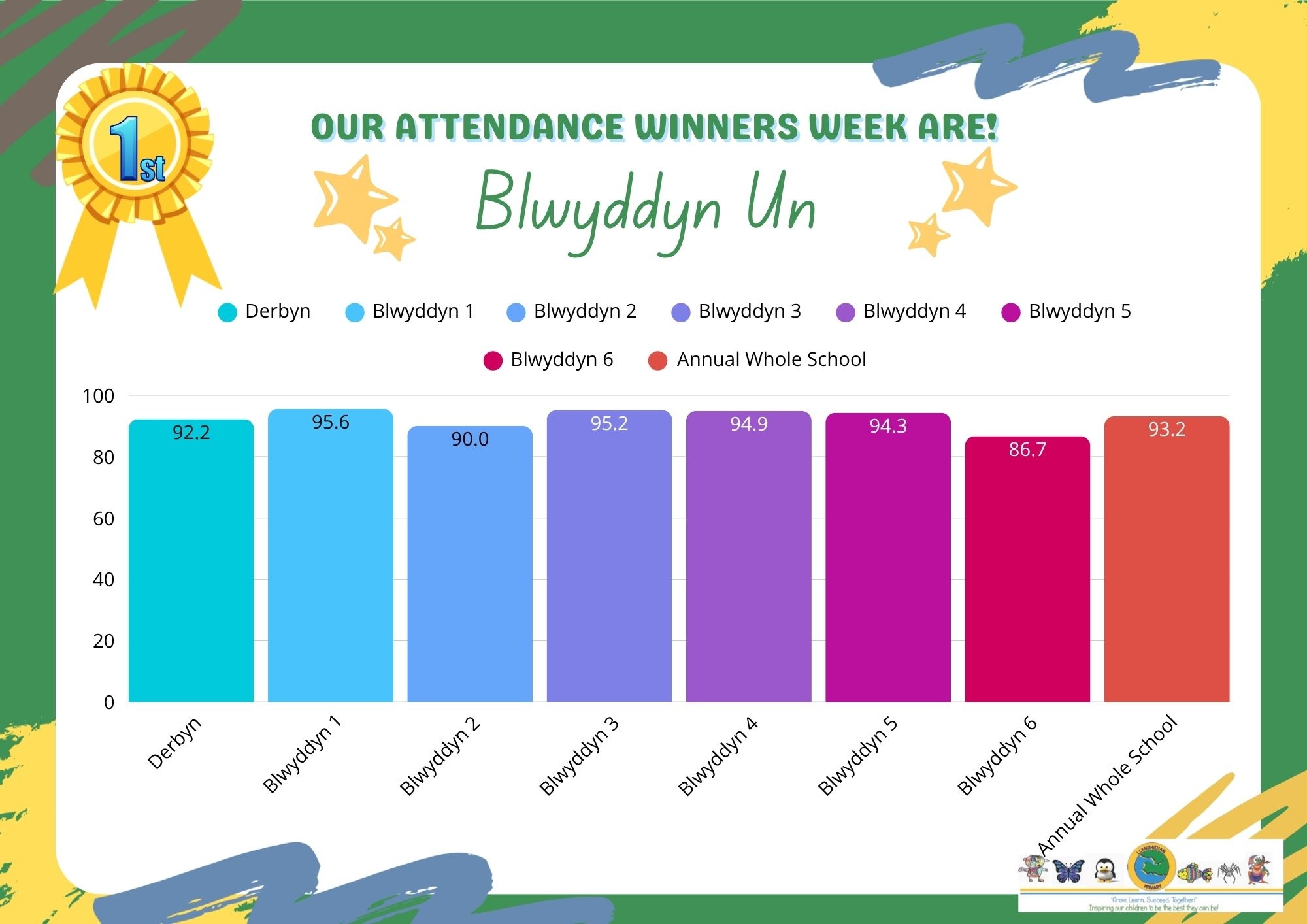
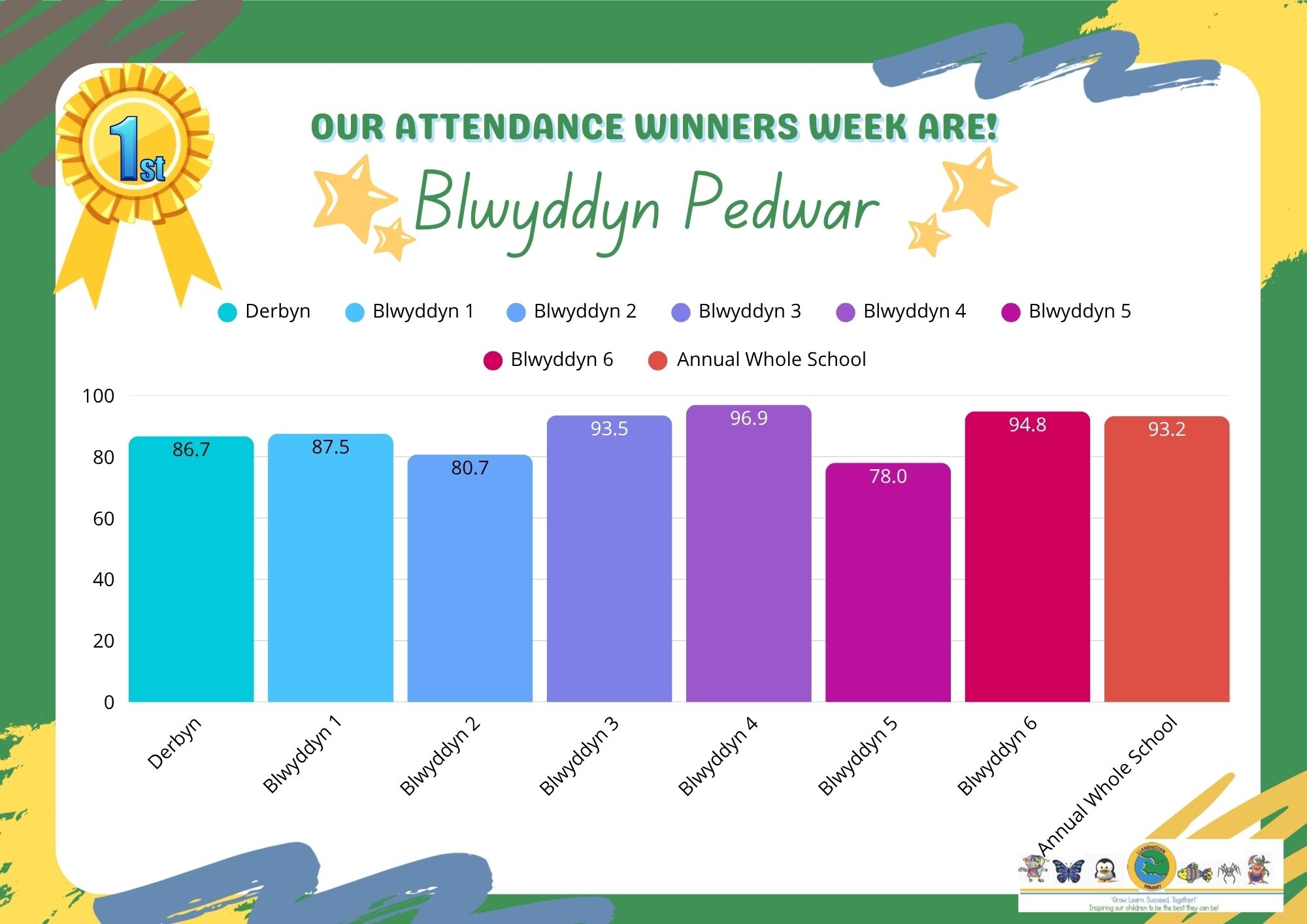
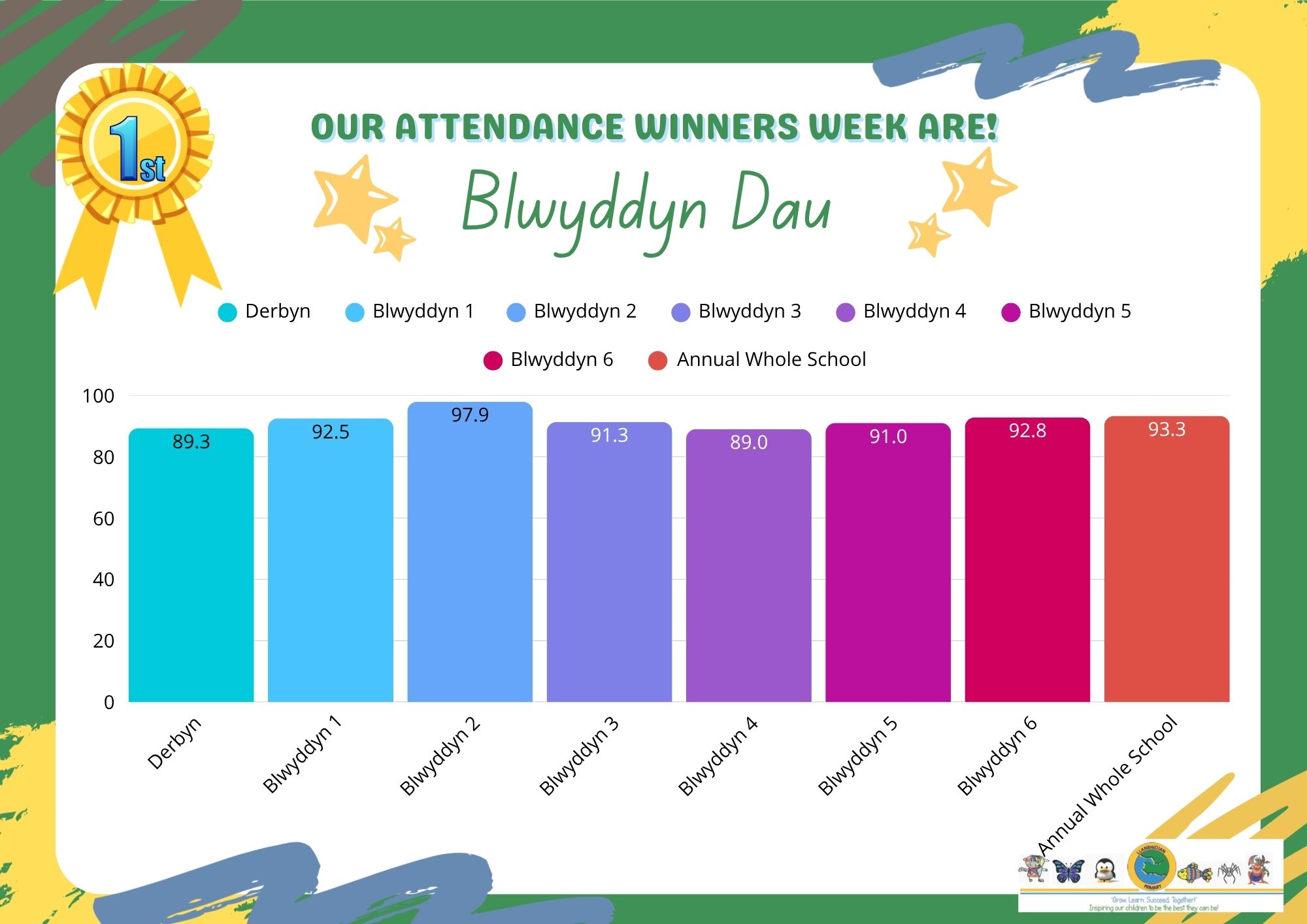
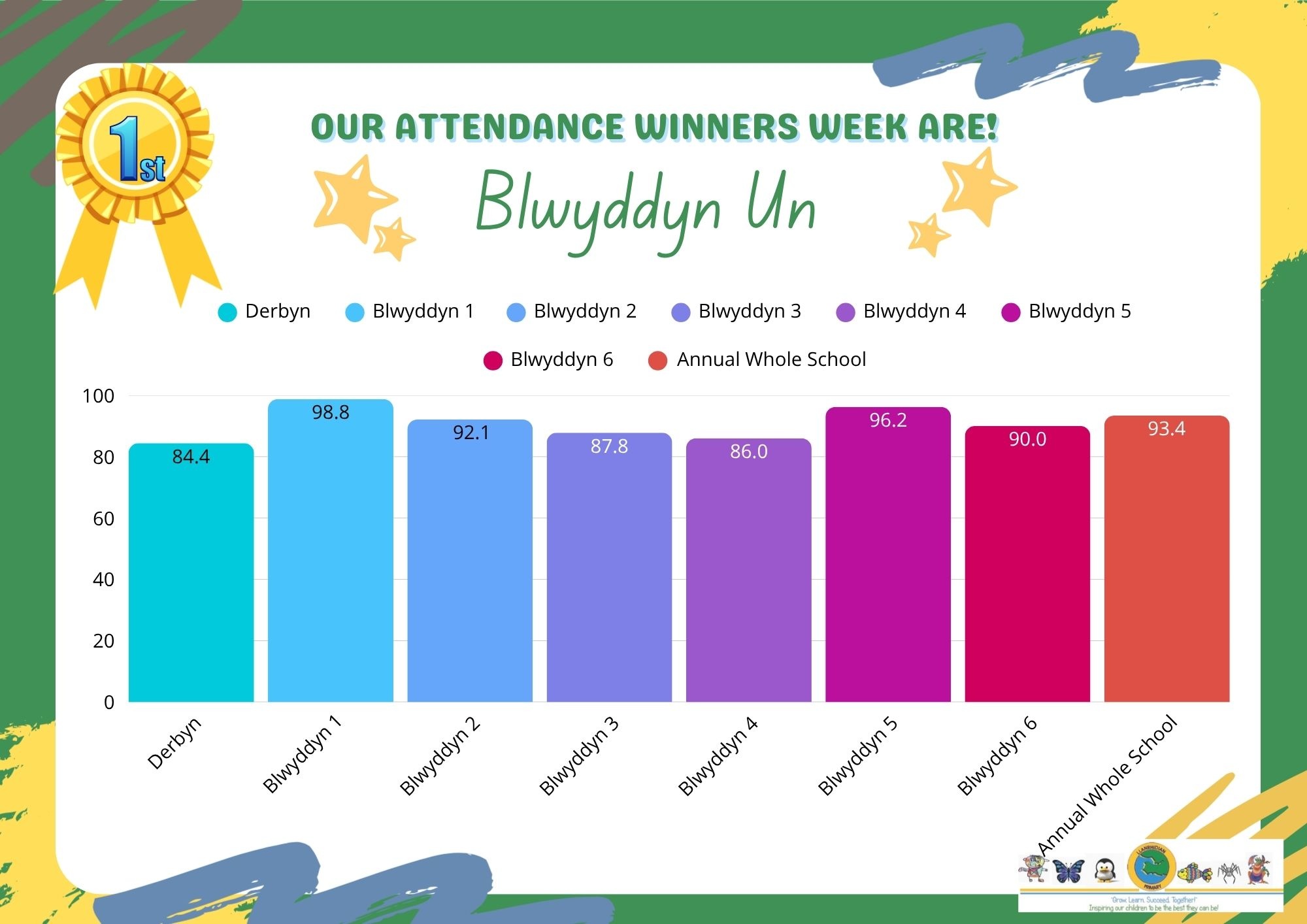
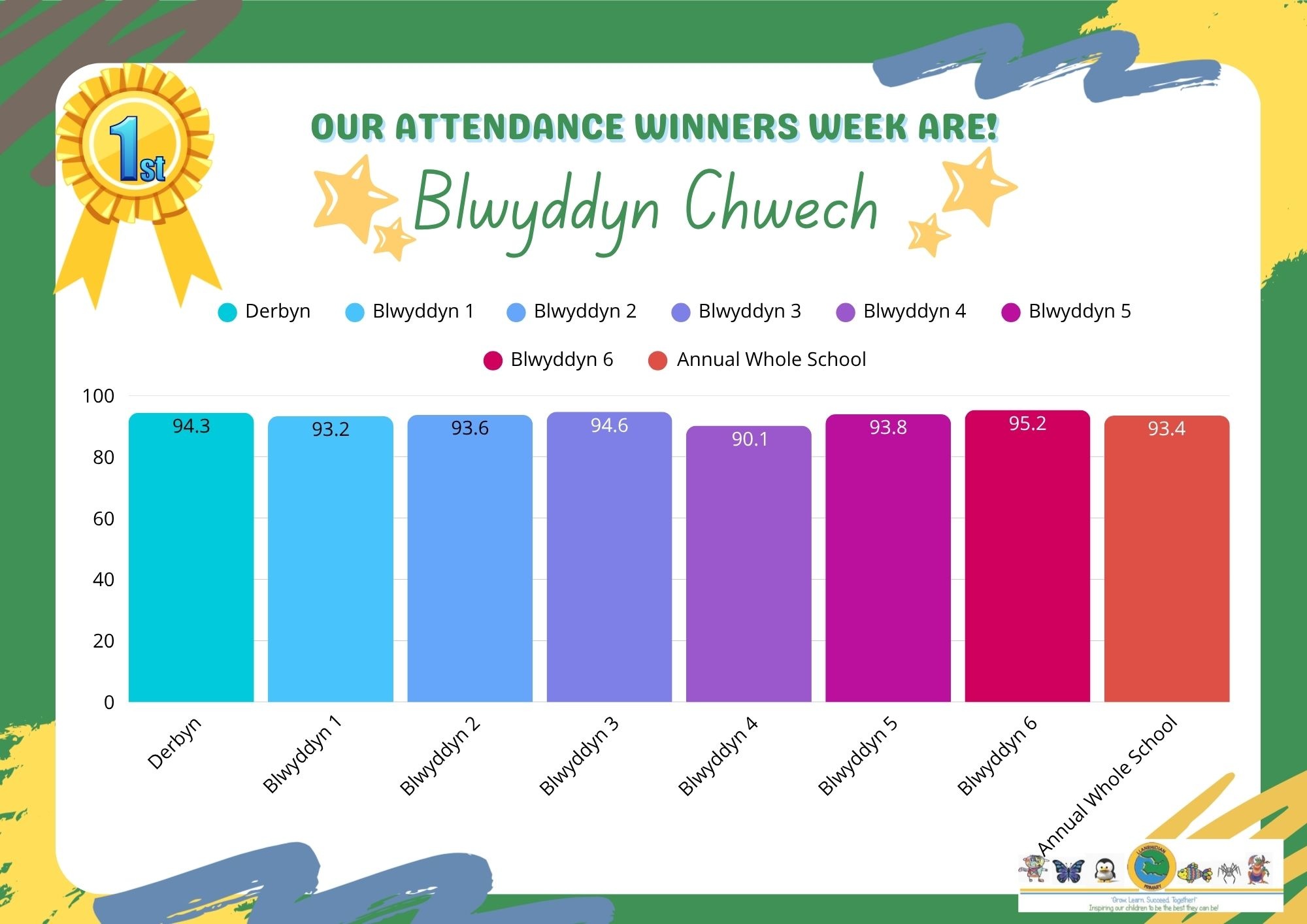
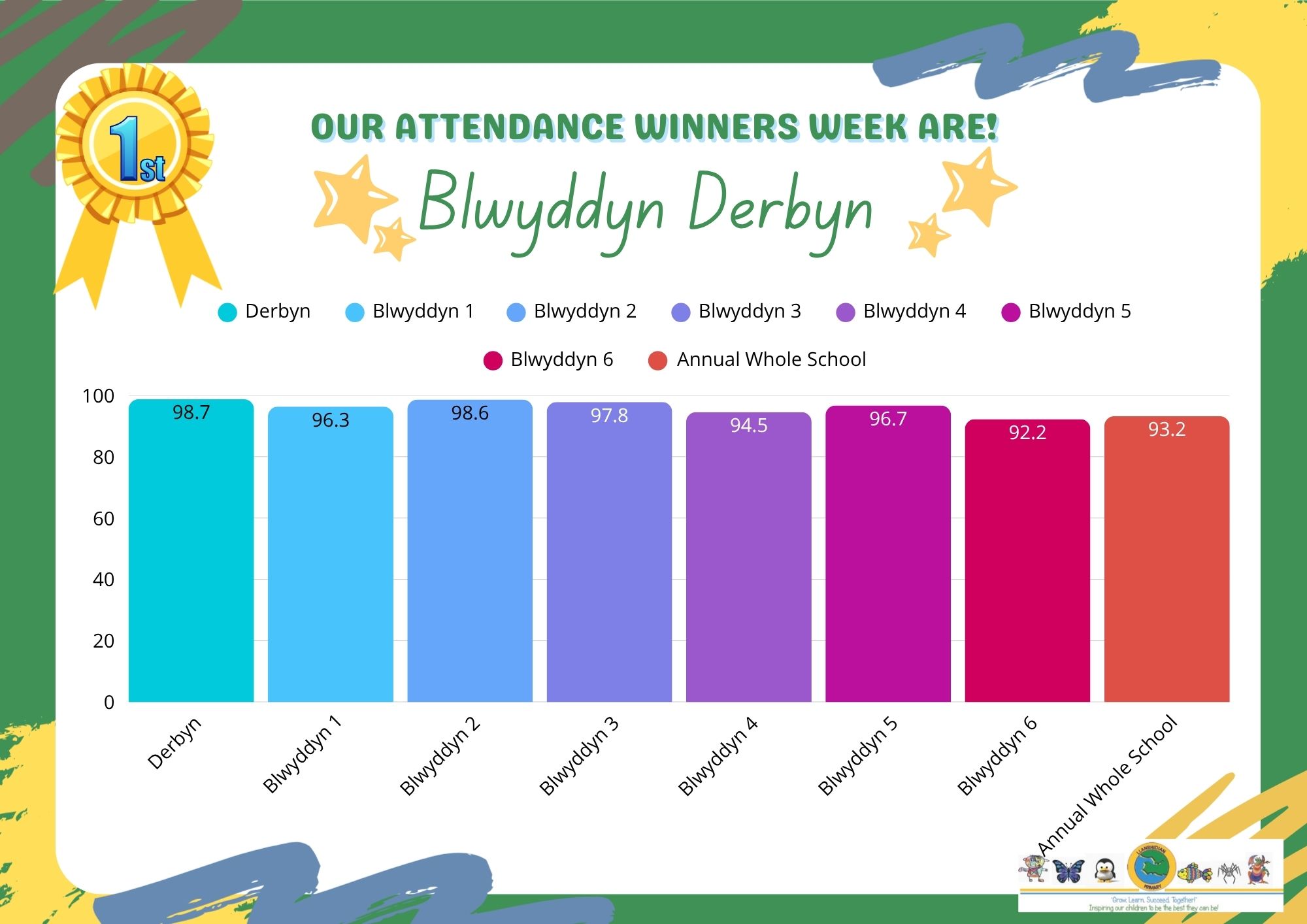
Our whole School Attendance is 93.2%
Swansea targets 95%
Llanrhidian Target 96%
Last Weeks Winners are - Blwyddyn Un with 98.8%


We continue to work closely with our Education Welfare Officer to monitor attendance and punctuality. Although whole‑school attendance has improved, we have recently seen an increase in children arriving late or being collected early.
While we understand that appointments are sometimes unavoidable, frequent lateness or early collections can affect learning and may raise concerns.
If we have concerns about your child’s attendance, we will request evidence of any appointments (such as hospital letters, digital confirmations or other proof).
Thank you for your support in helping your child make the most of their learning time. If you have any questions, please contact the school office.

We continue to work closely with our Education Welfare Officer to monitor attendance and punctuality. Although whole‑school attendance has improved, we have recently seen an increase in children arriving late or being collected early.
While we understand that appointments are sometimes unavoidable, frequent lateness or early collections can affect learning and may raise concerns.
If we have concerns about your child’s attendance, we will request evidence of any appointments (such as hospital letters, digital confirmations or other proof).
Thank you for your support in helping your child make the most of their learning time. If you have any questions, please contact the school office.

🌟 Attendance on the Up! 🌟
Our whole-school attendance has risen to 93%! This is a brilliant step in the right direction, and it’s all thanks to the continued support of our families, the hard work of our pupils, and the commitment of our staff.
Every day in school makes a difference. When children are here, they’re learning, connecting, and thriving and our rising attendance shows that we’re doing this together as a community.
Let’s keep this momentum going!
Together, we can make our attendance shine even brighter. 🌈💙
Understanding Today’s Children: A New Lens for Parents
Many of us look at the behaviour of children and young people today and think, “I would never have spoken to an adult like that!” It’s easy to jump to judgement, but today’s children are growing up in a world very different from the one we knew.
In his book The Anxious Generation, Jonathan Haidt describes what he calls “The Great Rewiring.” He explains why children and teenagers seem so different today and how their development is being shaped by changes in childhood itself.
From Play-Based Childhoods to Phone-Based Childhoods
Haidt highlights that childhood used to be built around play, outdoor adventures, problem-solving with friends, and learning through trial and error.
Today, much of childhood is shaped by phones and screens instead. This shift affects how young people learn to socialise, take risks, manage boredom, and develop independence.
At the same time, many parents (with the best of intentions) have become more protective in the offline world, delaying unsupervised play, independent exploration and everyday problem-solving. Yet in the online world, children often have far more freedom, even though the risks are less understood.
How Screen Time Affect Relationships
Screen time naturally draws our attention away from the here and now. Haidt describes how they make us “forever elsewhere,” pulling us away from the people right in front of us, even our own children.
They can act as “experience blockers,” replacing:
This isn’t about blaming children, or parents. It’s about understanding the environment children are growing up in so we can support them better.
Keeping Expectations High While Staying Connected
Understanding these changes doesn’t mean lowering boundaries or excusing poor behaviour. Instead, it means adjusting the language we use and the way we respond so that our guidance lands more effectively.
One powerful shift is to lead with curiosity, not judgement. When we change the lens through which we see behaviour, we often discover the need beneath the behaviour.
Practical Ways Parents Can Support Their Child’s Regulation
You can help your child stay regulated and responsive by making small but meaningful adjustments:
1. Allow “take‑up time.”
When you give an instruction, pause for a minute before repeating or escalating. Children often need a moment to switch attention, process what’s been said, and adjust their behaviour.
2. Try using: “I’ve noticed… How can I help?”
For example:
This approach is:
Working Together for Excellent Attendance 🤝📚
Regular attendance is vital for every child’s learning, progress, and wellbeing 📚✨. Throughout the school year, we carefully monitor attendance to ensure pupils can fully enjoy their learning, achieve their potential, and feel confident in school.
We kindly ask for your support in helping your child attend school regularly and arrive on time 🙏😊. By supporting each other, we can give every child the best chance to thrive and succeed 🌟.

Attendance plays a crucial role in every child’s learning and wellbeing 📚✨. Throughout the school year, we monitor pupils’ attendance to make sure they are able to enjoy their learning, make progress, and feel confident in school. We kindly ask for your support in helping your child attend regularly and on time 🙏😊. By working together, we can give them the best possible opportunities to succeed 🌟.

Our whole-school attendance currently stands at 92.7%. While this is a solid start to the term, it’s a little below our target of 95% — and we know our wonderful pupils and families can get us there!
Every day in school really does make a difference. Good attendance helps children build strong friendships, stay confident in their learning, and make the most of the exciting opportunities happening across our school.
⭐ Thank you to all families who support good routines and work hard to get children in on time each day — it truly matters.
💪 Let’s keep going! With everyone’s support, we’re confident we can reach (and even surpass!) our 95% target.
Together, we can make every day count!

Over the coming terms, our school will be continuing the whole-school journey to become an emotionally safe school. This approach supports children’s emotional health and mental wellbeing, strengthens positive behaviour, and helps every child feel ready to learn. When children feel safe and understood, they’re better able to concentrate, recover from mistakes, and build a lasting love of learning.
This move is research-informed. Evidence shows that emotionally safe, relational approaches improve wellbeing and learning, while approaches based on fear or humiliation can cause harm – especially for vulnerable children.
A key part of emotional safety is the difference between responsibility and shame. Responsibility says: “I made a mistake – what can I do differently next time? Can I make it better?” Shame says: “I am bad. I don’t belong.” Shame increases stress and makes it harder for children to regulate, think clearly, and make positive choices.
This work is not about lowering expectations. An emotionally safe school has consistently high expectations, held with clarity and consistency – and made achievable through understanding, support, and an inclusive, adaptive approach. The message is: “You belong here, and you can improve with support and practice.”
We want families to be part of this journey. There will be opportunities to ask questions, learn about the approach, and explore practical strategies for home and school. Thank you for walking alongside us to support behaviour, wellbeing, and learning.