
LLANRHIDIAN PRIMARY SCHOOL
Inspiring our learners to be the best they can be!
Literacy - Remembrance
LO: To use adjectives and adverbs to expand simple sentences and phrases.
LO: To use varied sentence starters e.g., fronted adverbials.

What is remembrance day?
Why do we take time to remember people we have never met?
What do you think the poppy stands for — and why might it be such a powerful symbol?
How can words and stories help us keep memories alive?
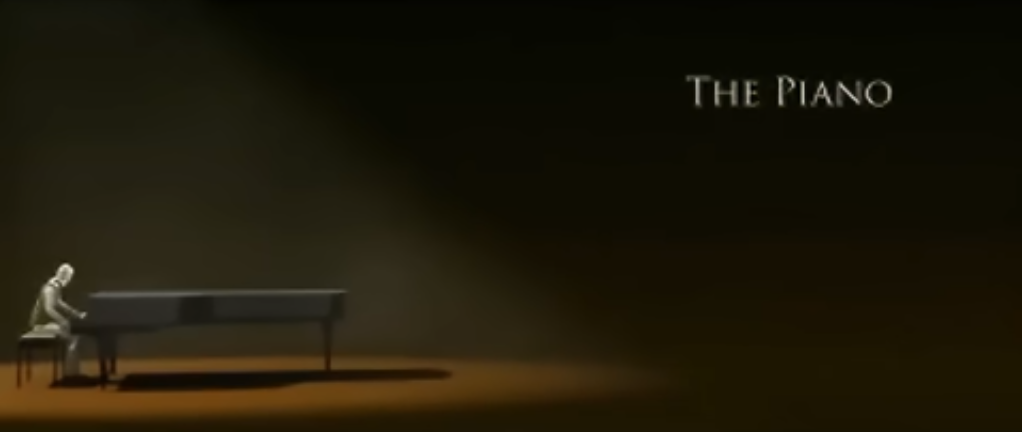
Looking at this image and thinking about senses...
What do you think this clip is about?
What sounds do you think you will hear?
What smells do you think you could smell?
What do you think happens?
Up level your answers!
Use purple pen and the place mats to use frontal adverbials, adjectives and punctuation, Pete to create more detailed thoughts about the image.

Use the chilli slips to fill in the missing words. In order to create frontal adverbial sentences ready for your hot write.
Planning our hot write!
Use the 3 images given to you. Start to think about descriptive words or sentences that you could use in your hot writing.

-
Look closely at each image.
-
Write 3–4 bullet points per image.
-
Use adjectives to make your ideas more detailed.
-
Try to start at least one bullet point for each image with a simple frontal adverbial (e.g. In the distance, At the edge of the field, During the silence,).
Example (Field of poppies):
-
In the distance, red poppies cover the green hill.
-
The sky looks bright and peaceful.
-
The wind blows gently across the flowers.

-
Look carefully at each image.
-
Write 4–5 bullet points per image using expanded noun phrases and strong verbs.
-
Begin at least two bullet points with a frontal adverbial (e.g. Under the grey sky, Before the bugle sounded, Across the field,).
-
Think about the mood or feeling each image creates.
Example (War memorial):
-
Under the grey November sky, the crowd stands silently.
-
Names carved into the stone glisten after the rain.
-
Before the bugle sounded, everyone bowed their heads.
-
A cold breeze whispers through the poppies.

-
Study each image closely and think about the story or emotion behind it.
-
Write 5–6 bullet points per image, using a mix of adjectives, personification, and varied sentence openers.
-
Start at least three bullet points with different types of frontal adverbials (e.g. time, place, manner).
-
Aim to show the feeling of remembrance — not just describe what you see.
Example (Soldier’s letter):
-
Before dawn, the soldier writes by candlelight.
-
With shaking hands, he folds the letter carefully.
-
The ink spreads slowly, as though it doesn’t want to say goodbye.
-
Beyond the tent walls, the camp lies silent.
-
Hope flickers like the candle flame.
Quick Write! (10 mins)
Pick one of the images to practice a cold write. Turn your bullet points into a paragraph.
Remember to use punctuation pete, the sentence starter sheets and the super sentence sheets to help form your sentences.
Use your up levelling to help.
WAGOLL

In the soft glow of the dim light, the elderly couple sat side by side, their heads bowed in quiet remembrance. With eyes closed, they seemed lost in a world of memories, hearing a tune that only their hearts could recall. Beside the old piano, time appeared to stand still, every note carrying echoes of love, loss, and longing. Through the silence, their connection spoke louder than words, reminding us that some memories never fade.
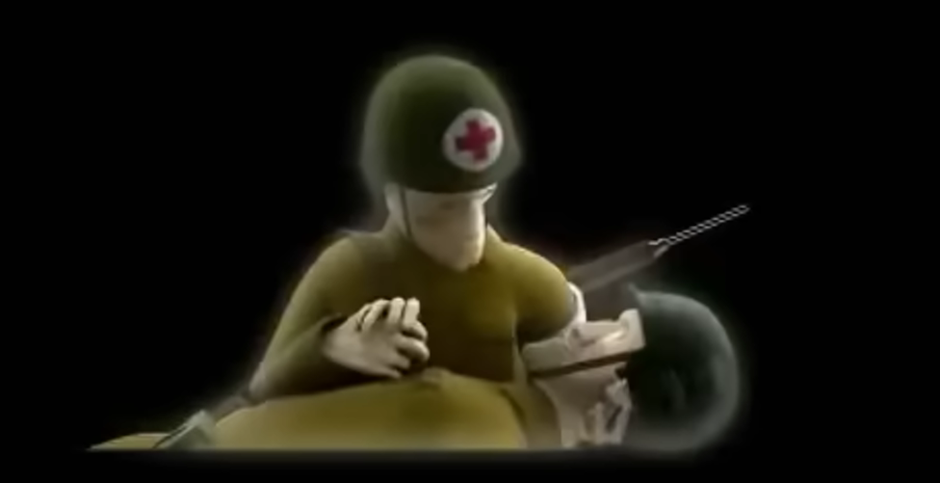
Amid the chaos of battle, the medic knelt beside his fallen comrade, his trembling hands gripping the soldier’s arm. With eyes filled with sorrow, he tried to offer comfort where hope was fading. Beneath the dark sky, the sound of gunfire seemed to fade into silence, leaving only the beating of two hearts — one strong, one slowing. For a brief moment, time stood still, and the world shrank to the space between them: courage, friendship, and goodbye.

Beside the gleaming piano, the elderly man and the young boy sat together, their hands dancing gently across the keys. With each soft note, a memory seemed to awaken, weaving the past and present into one tender moment. Under the warm glow of the light, the old man’s eyes softened as he glanced at the boy, seeing a reflection of his younger self. Through the music, love and legacy passed silently between them — no words needed, just the language of the heart.
Up Levelling Words!
Use a thesaurus online to search up words you would like to up level.
Pick 3 words, search for them in the thesaurus and write them in purple underneath your cold writing.
Pick 5 words, search for them in the thesaurus and write them in purple underneath your cold writing.
Pick as many words as you can, search for them in the thesaurus and write them in purple underneath your cold writing.
HOT WRITE!
-
Write one paragraph per image (about 3–4 sentences each).
-
Use descriptive words for what you can see, hear, or feel.
-
Start at least one sentence in each paragraph with a frontal adverbial (e.g. In the quiet room, At that moment, Under the moonlight,).
-
Show simple feelings (e.g. sad, calm, proud).
-
Remember capital letters, full stops, and commas after adverbials.
-
Write a full paragraph per image (about 5–6 sentences each).
-
Use expanded noun phrases and powerful verbs (e.g. the trembling notes drifted through the air).
-
Start sentences in different ways.
-
Use similes or personification to create mood.
-
Show how the character feels, not just what they do.
-
Write three detailed paragraphs (6–8 sentences each).
-
Use a mix of sentence types — short, long, and complex for effect.
-
Begin with different frontal adverbials (time, place, manner).
-
Include figurative language (metaphors, personification, repetition).
-
Create a sense of reflection — link the music to memory or loss.
-
Use precise vocabulary to show tone and emotion (e.g. tenderly, wistful, fragile).