
LLANRHIDIAN PRIMARY SCHOOL
Inspiring our learners to be the best they can be!
Mathemateg
Fractions
What do we know about fractions?

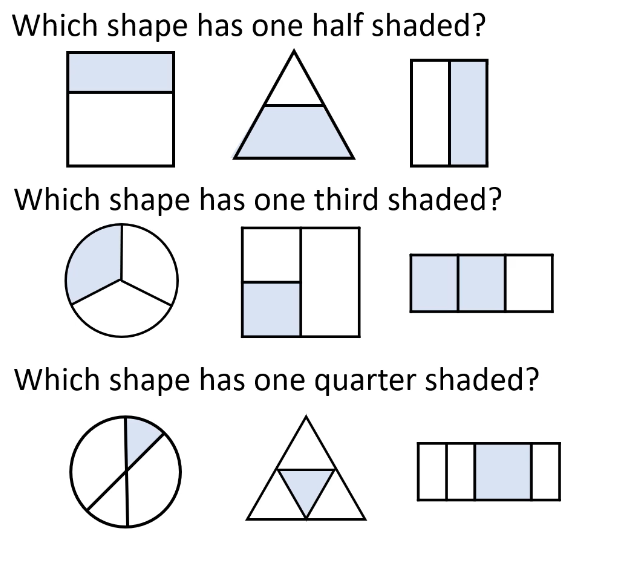
 LO: To identify 1/3, 1/4, 1/2, 2/4, 3/4 and demonstrate that all parts must be equal parts of the whole.
 LO: To accurately place fractions and decimals on a number line.
 LO: To recall and solve problems using equivalences between simple fractions,
 LO: To convert improper fractions to mixed numbers and vice versa.
 LO: To use and interpret different representations of fractions, e.g. mixed numbers and improper fractions.
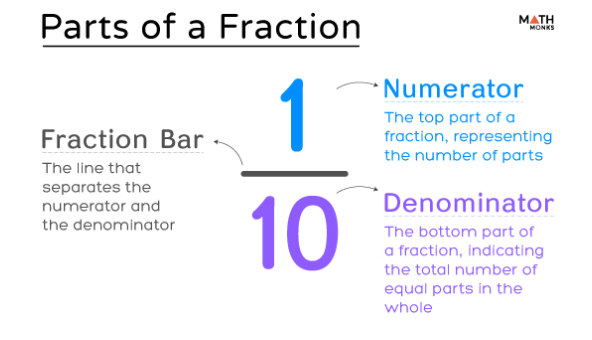
When we write a fraction, we often write three parts. The Numerator, the Fraction bar and the Denominator.
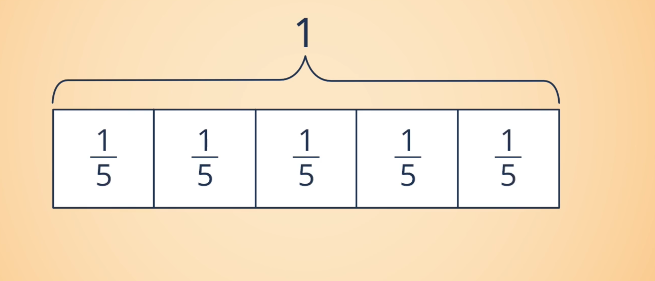
If I were to take a bar of chocolate, I could split that bar into five equal parts. These would be called fifths. Parts of a fraction are usually equal, and when pieced back together, they make a whole piece again.
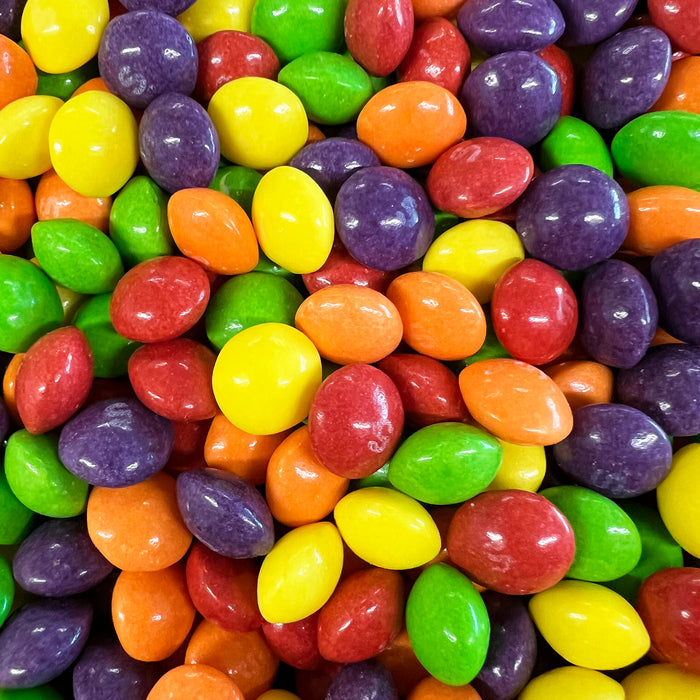
We can also do this with a packet of sweets. If I open a packet of sweets and share them out equally I could create a fraction of my whole packet.
For example, if I had 18 sweets, 1/2 of my packet would equal 9, or I could split my packet into 1/18.
Let's try!

Rules!
Do not eat your sweets until the end of the lesson.
Do not touch anyone else's sweets.
Have fun!
If your sweets represent a whole, how could you show part of the whole?
Let's make fractions!
Using the language Numerator and Denominator, what fractions could I make using my sweets?
Could I make fractions based on the colour of my Skittles?
Let's write down as many fractions as you can.
Could I add two colours together to find out the total fraction of those colours?
Comparing fractions
Discuss in pairs
-
Which colour takes up the largest fraction?
-
Which is the smallest?
-
Are any colours equal?
-
Create a number line with the smallest fraction to the biggest
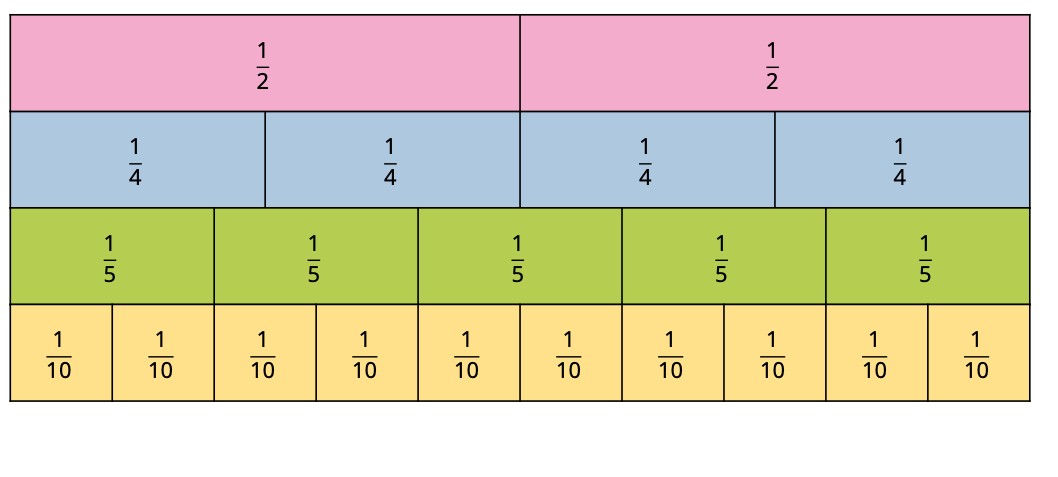
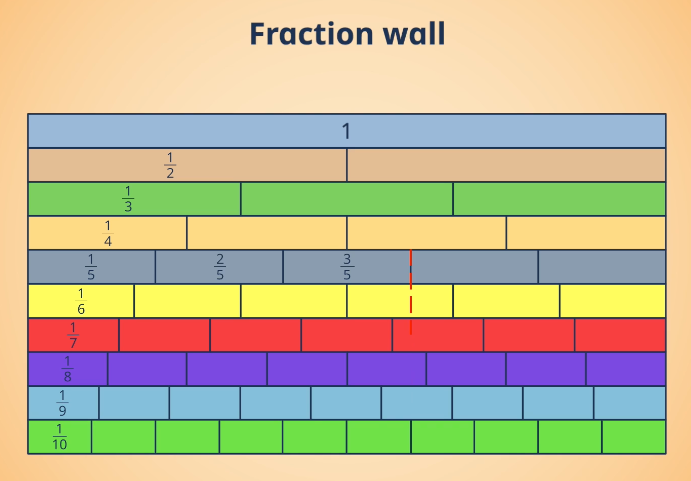
A Fraction Wall can help us find equivalent fractions. For example, 1/2 is the same as 5/10. Why is that?
What other fractions are equivalent?
Fraction Wall
Convert Fractions to Simplest Form
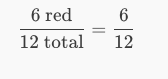
Using your Skittles fractions, can you simplify each fraction?
Example:
-
“Can you divide the numerator and denominator by the same number?”
-
“What is the simplest form of your fraction?”