
LLANRHIDIAN PRIMARY SCHOOL
Inspiring our learners to be the best they can be!
Gwyddoniaeth
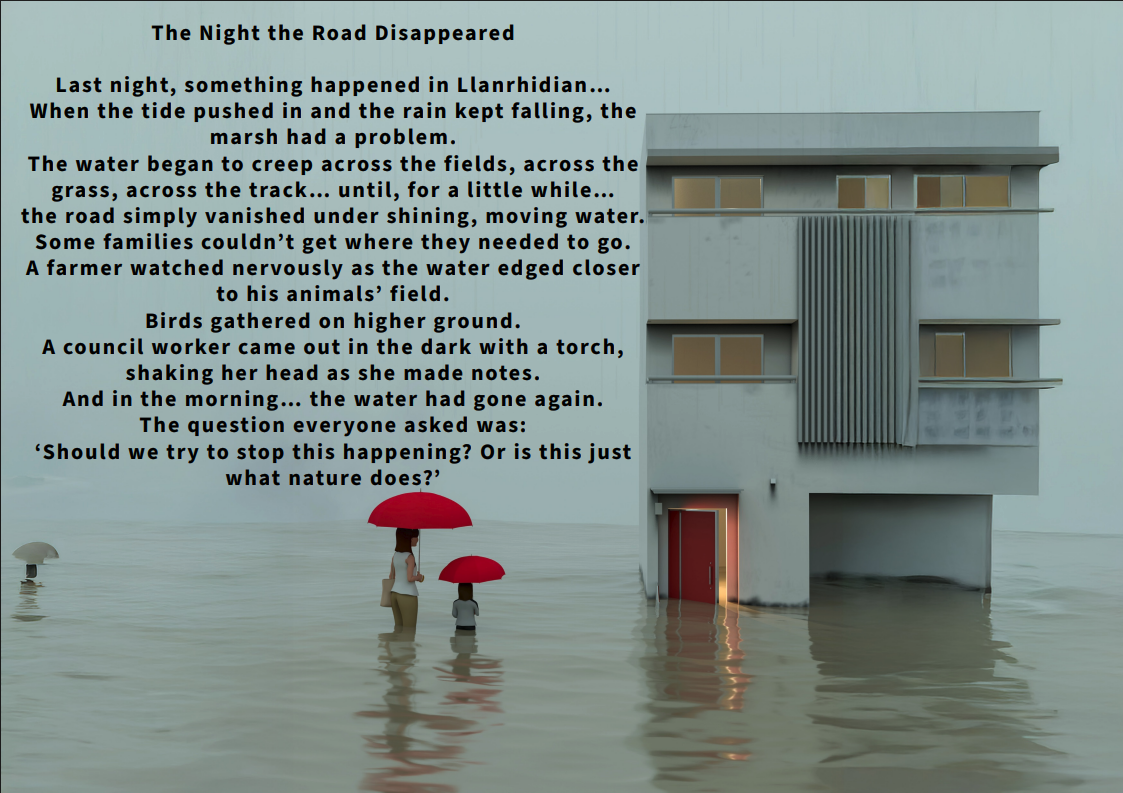
Flooding!
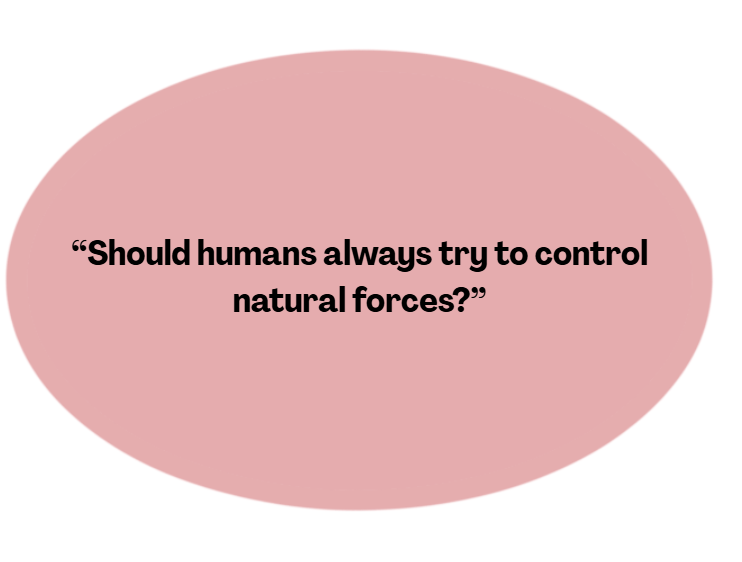
Let's discuss the following question!

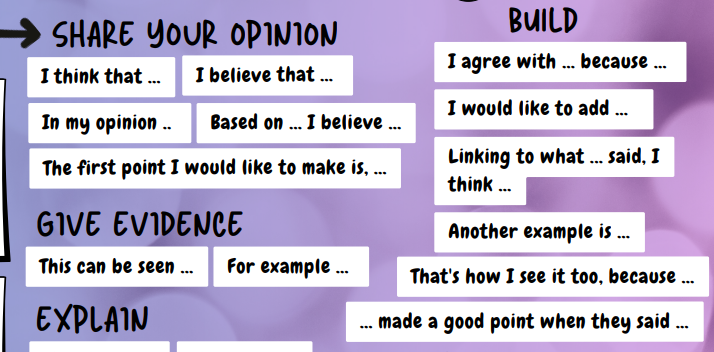
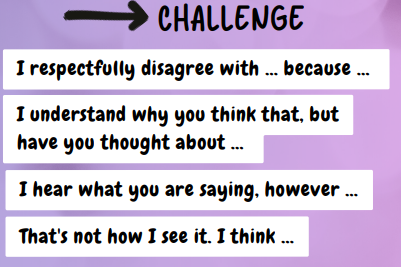
Let's watch the first three minutes of the following video and see if our opinion has changed.
Thinking about your local area, can we relate to any of these problems?
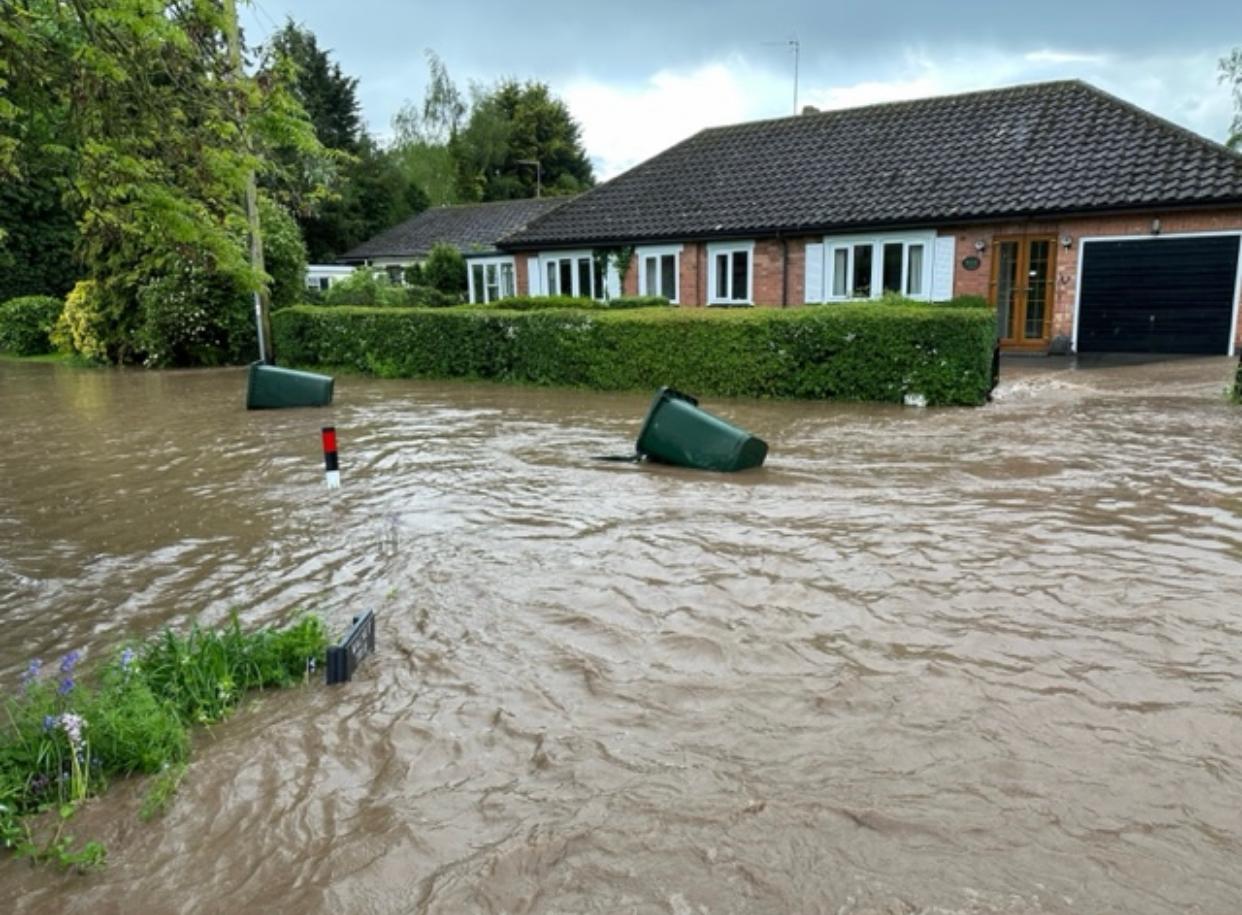
What are we exploring this week?
-
How gravity pulls water faster or slower depending on the slope.
-
How forces make water move differently across different surfaces.
-
How this helps us t understand flooding in our area.
-
How the forces we observe help us understand real flooding in our community.
Let's create our own flood barriers
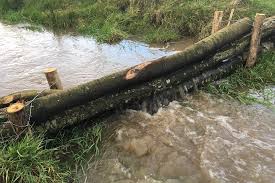
What do we aim to find out?
•We are going to investigate how water moves down a slope.
•We will change the slope (how many blocks).
•We will time how long it takes the water to reach the village.
-
We will change the surface of the slope.
•We will use our results to make a line graph.
Our investigation set-up
•Tray for the water.
•Blocks to make different slopes.
•Same amount of water each time.
•A marked start and a marked 'village' at the end.
What are our variables?
🔹 Independent Variable
What it is: The thing you change on purpose in your forces experiment.
Example (Forces): If you are testing how different surfaces affect how far a toy car travels, the surface type (carpet, wood, sandpaper) is your independent variable.
🧪 Think: “I change this.”
🔹 Dependent Variable
What it is: The thing you measure to see what effect the change had.
Example (Forces): In the toy car experiment, you measure how far the car travels. This depends on the surface, so it’s the dependent variable.
📏 Think: “I measure this.”
🔹 Controlled Variables (Control Variables)
What they are: The things you keep exactly the same so it’s a fair test.
Example (Forces):
You might keep these the same:
- The toy car
- The ramp height
- The starting position
- How you release the car
- ⚖️ Think: “I keep these the same.”
Now open your chilli of choice and answer question 3.
Ensure you use the subheadings:
Independent Variable:
Dependent Variable:
Control Variable:
DIN 1: Using the blank box provided, draw and label a scientific diagram of the experiment. Use a ruler for your labels and your diagram.
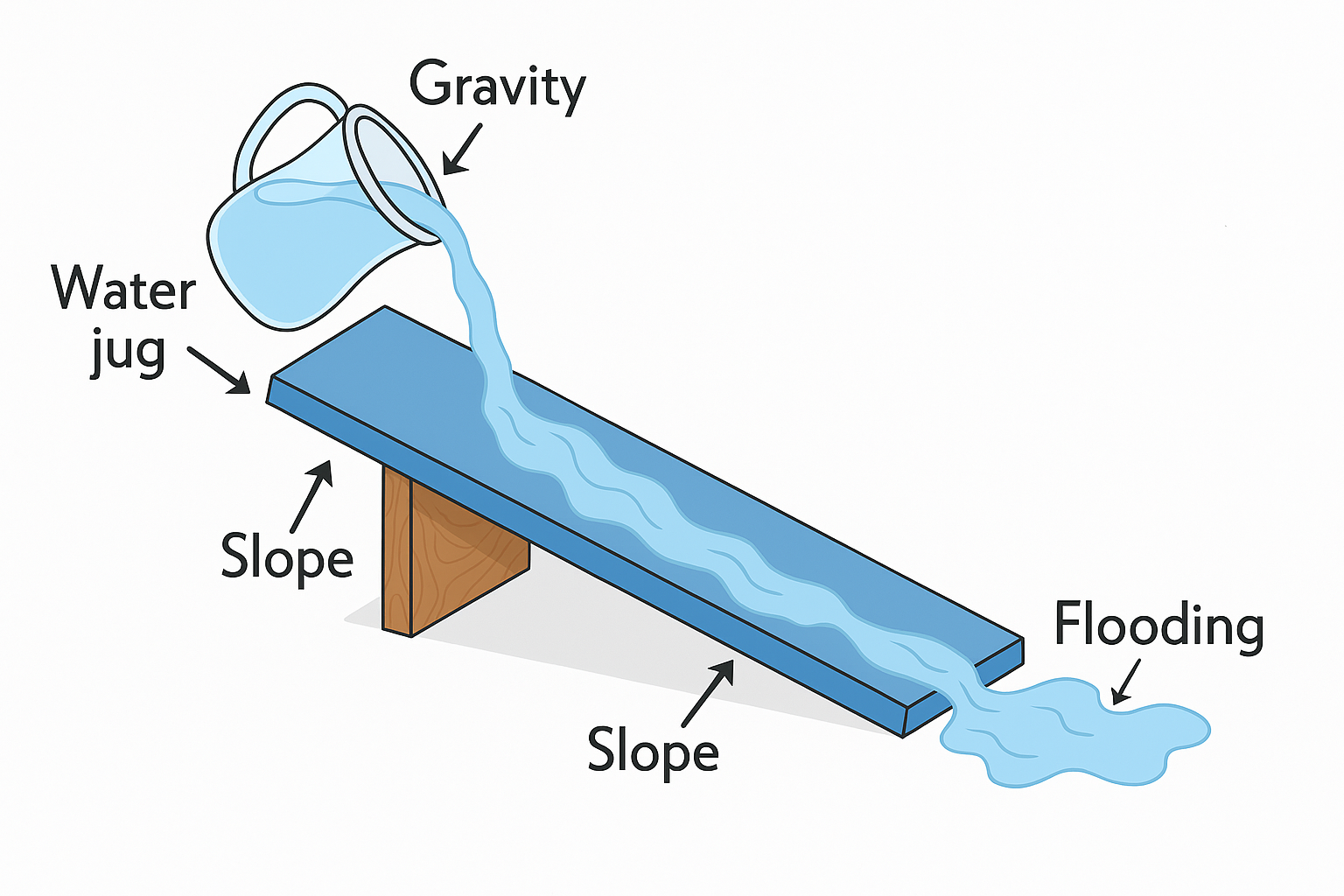
Lets do a little research on gravity and friction. Click the pictures below to find out more.
 LO:To communicate the effect forces have on humans and objects.
 L.O: To know that forces on an object will have a resultant (an effect)

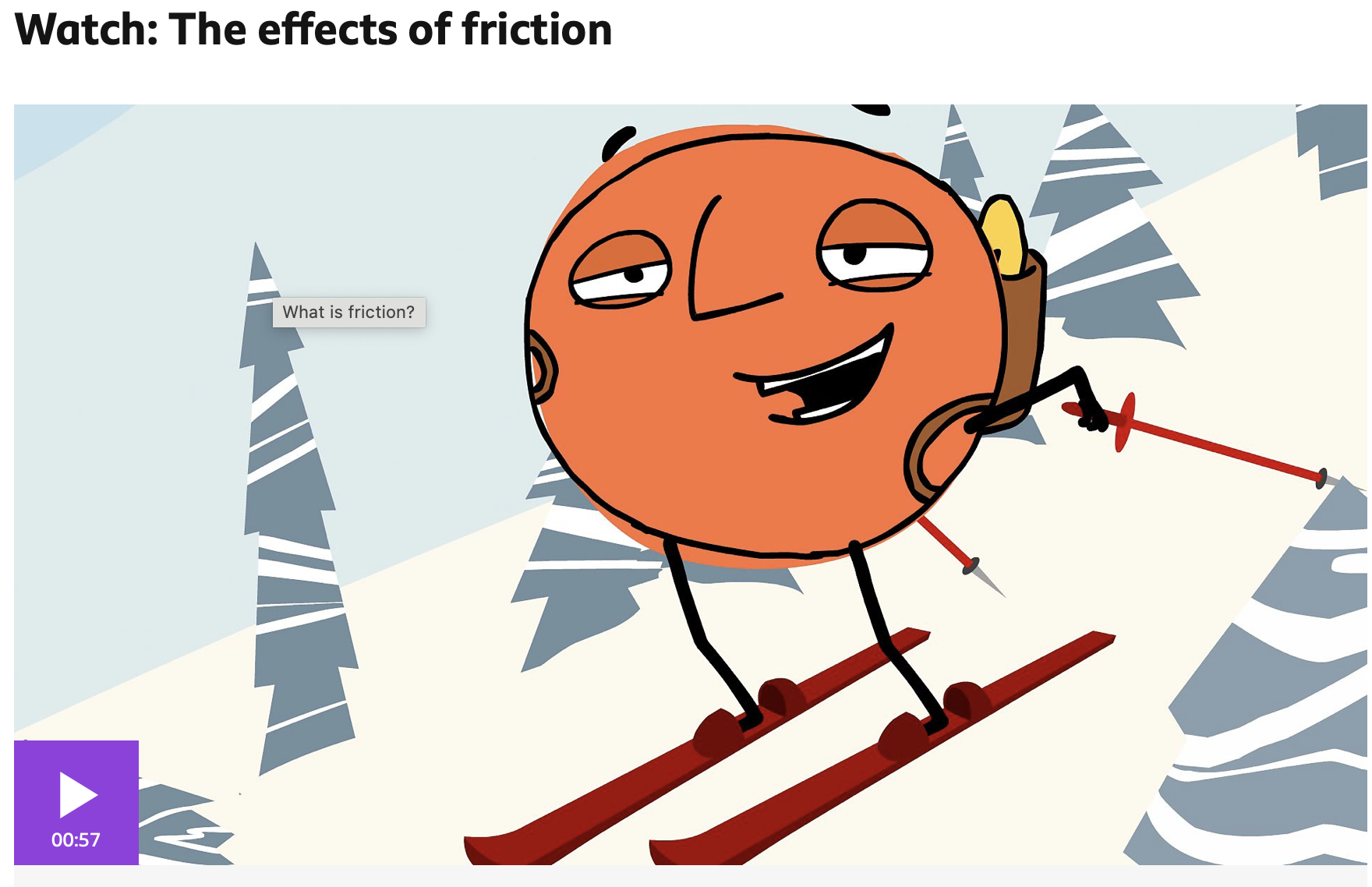
Now use your research to write an explanation of gravity and friction.
Now use your understanding of gravity and friction, write your prediction.
But lets think of gravity like this...
Think of gravity like a giant magnet under the floor always pulling you straight down. That magnet's power never changes, but how you feel it depends on the floor!
-
On Flat Ground: The floor catches all of gravity's pull. You feel heavy, but you don't move.
-
On a Gentle Slope: The floor is tilted, so a tiny bit of that "downward pull" starts tugging you sideways. You might slowly roll.
-
On a Steep Slope: Now, the floor isn't "catching" you as much. Most of that magnet's power is pulling you along the hill instead of into it.
So, gravity isn't getting stronger—it’s just that the hill is getting out of gravity's way! It’s like a slide: the steeper the slide, the more gravity is allowed to pull you down instead of just squishing you against the plastic.
L.O:To write a prediction
1. Start with what you already know
Example prompt for children:
“What do you know that might help you make a sensible prediction?”
2. Use force language in your prediction
- “I think the force of the sand will…”
- “I predict the water will move faster/slower because…”
- “The force of the water might…”
3. Make your prediction about the thing you are changing
- “I predict if the slope becomes steeper...."
- "I predict if the surface is sand the water will...
4. Explain why you think that will happen
- “I think this because…”
- “I think this is because the smoother surface creates less/more friction…”
- “I think this is because the steeper the surface …”
5. Keep your prediction sensible, not certain
Useful phrasing:
- “I predict…”
- “It might…”
- “I wonder whether…”
Putting it all together
Prediction Example A (Slope)
“I predict the water will reach the village faster when we add more blocks, because gravity will pull the water more strongly on a steeper slope.”
Prediction Example B (Surface)
“I predict the water will slow down on the rough surface because the friction will stop it flowing as quickly.”
I predict that... I think that because...
I predict that... I think that because....
 I predict that... this means that... (use the words like force). I think that because... In my research I learnt that...
 I predict the water will reach the village ... when we add more blocks, because the less force on the slope will allow the water...
Recording our results
•We will time how long it takes for the water to reach the village.
•We will write our times in a results table.
•We can do 3 tries for each slope.
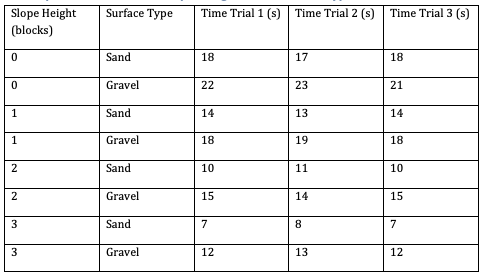
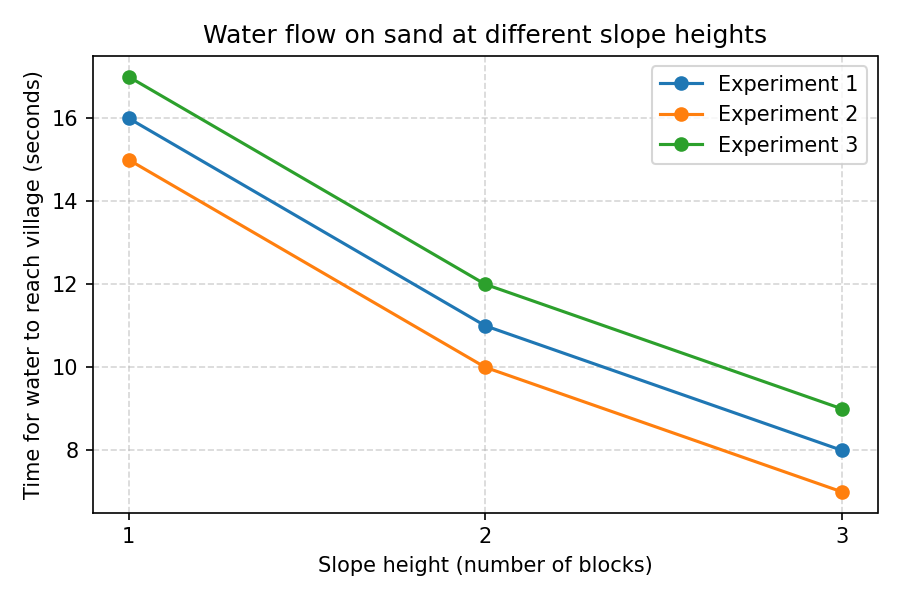
•Along the bottom (x-axis): slope height (number of blocks).
•Up the side (y-axis): time taken (seconds).
•We plot one point for each slope using our best time.
•We join the points to see the pattern.
Conclusion
Analyse your results to write your conclusion.
The graph shows that if you add three blocks ...
The graph shows that the sand created... force so the water...
The graphs shows... I think this happened because...
I noticed, if you add sand and three block... the friction...
I have compared the data from the two different surfaces and I can see that... I think this is because...
Next time I will...
Comparing the the data between the experiments with sand, gravel and slope heights, I can see..
This is because...
The data shows...